Evidence before assumption
Photometric files, dimensional information and declared compliance guide the conversation. When a value depends on a specific family or configuration, we say so and verify it against the project selection.
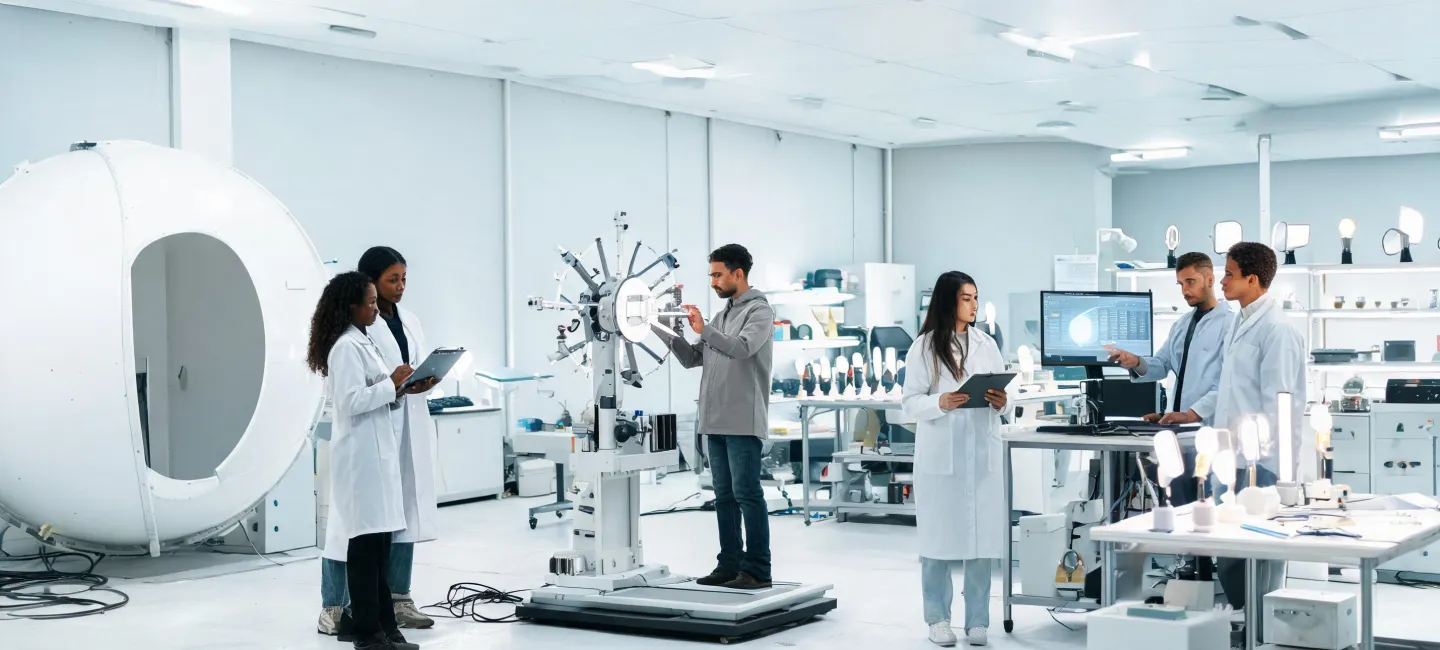
People behind the light
Our culture joins optical curiosity with the dependable habits that keep a specification useful through procurement, installation and years of operation.
Mission
We help project teams turn visual goals into selections that can be calculated, coordinated, installed and maintained. Every recommendation should respect both the experience of the space and the practical work required to deliver it.
Vision
We believe durable luminaires, serviceable systems and honest technical context create more value than isolated headline metrics. That belief shapes how engineering, documentation and customer support collaborate.
Photometric files, dimensional information and declared compliance guide the conversation. When a value depends on a specific family or configuration, we say so and verify it against the project selection.
Luminous efficacy matters, but so do beam control, vertical illumination, color quality and glare. Designers and engineers examine these tradeoffs together rather than allowing one metric to dominate.
A strong concept can still fail through an unclear submittal or commissioning gap. Teams structure decisions so the next person knows the product, interface, finish, mounting condition and open action.
Thermal management, driver access, cleaning conditions and control settings all affect useful life. Product and project specialists treat operations planning as part of the design conversation.
A working environment
Our 2,400+ colleagues contribute across application guidance, optical evaluation, product coordination, logistics and aftercare. The workplace is organized to make questions visible: a finish can be reviewed beside a sample, a distribution can be examined with its photometric curve, and a control interface can be discussed with the people who support commissioning.
That proximity encourages practical learning. Project feedback returns to product teams; field questions improve documentation; and support specialists understand why a seemingly small mounting or shielding detail matters to the intended nighttime scene.

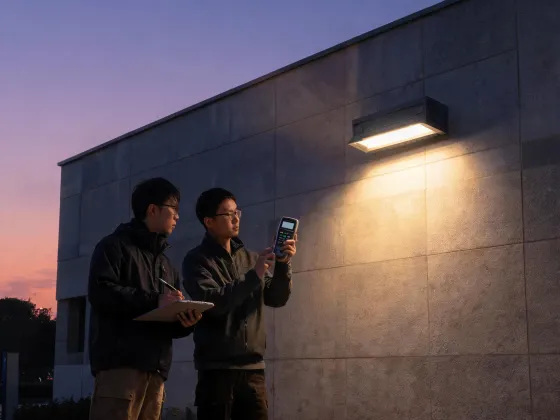

We value engineers, designers and project professionals who ask careful questions, document what they learn and make complex coordination feel manageable.
Start a Conversation